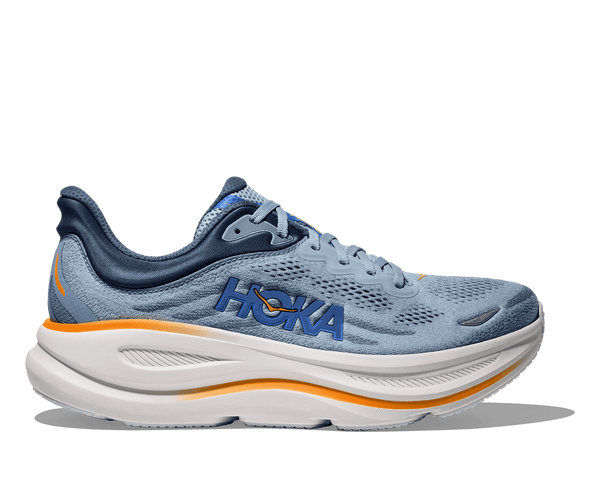
How to Clean and Care for Your Sneakers and Running Shoes
Mesh, knit, suede, leather and soles: step-by-step cleaning methods and the habits that keep your shoes looking and performing like new.
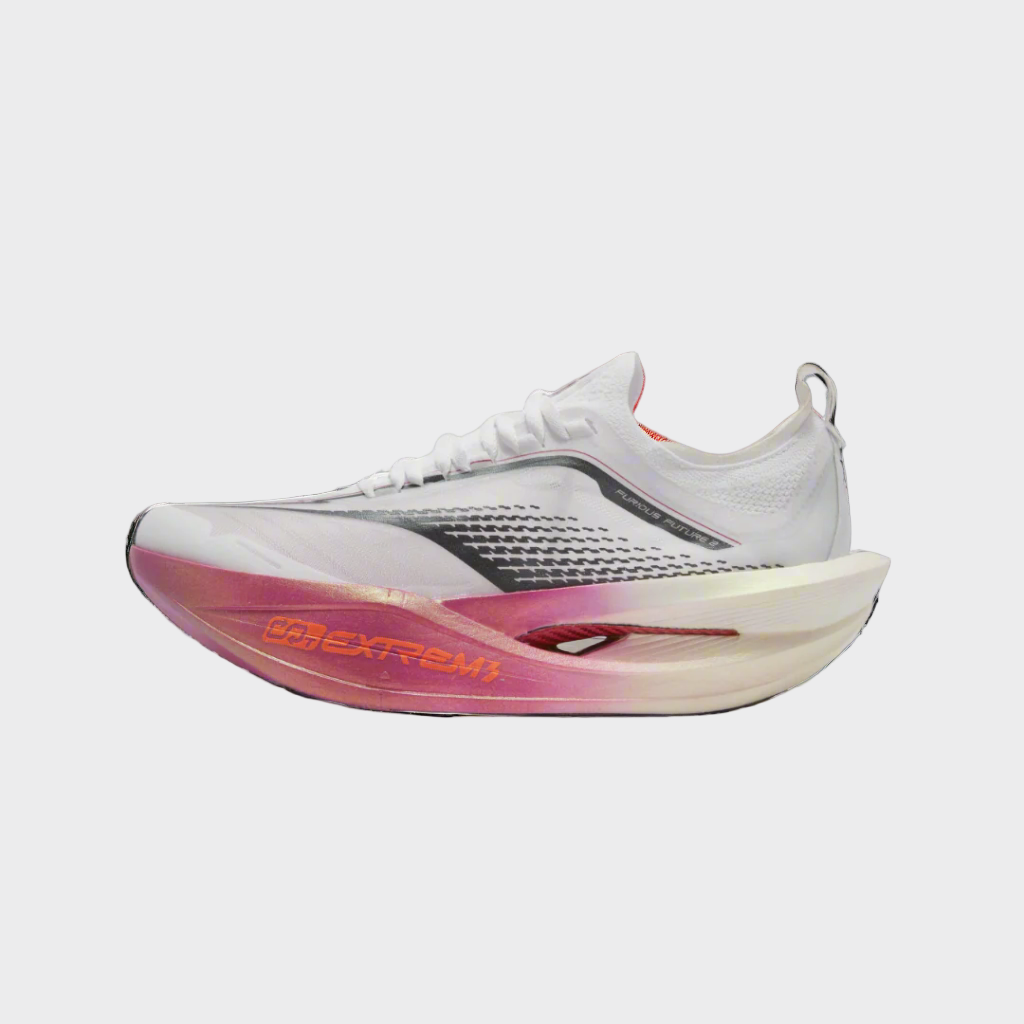
Clean shoes look better, smell better and last longer. Yet many people damage their sneakers by cleaning them the wrong way: throwing them in the washing machine, drying them on a radiator or using harsh chemicals. This guide explains how to clean every common material safely and how to build simple habits that keep your shoes in top condition.
What you need
- A soft brush (an old toothbrush works for small areas).
- A medium-stiff brush for soles.
- Microfiber cloths.
- Mild soap or a dedicated sneaker cleaner.
- A bowl of cold or lukewarm water.
- Newspaper or paper towels for drying.
- For suede: a suede brush and eraser.
Before you start
- Remove the laces and insoles. Clean them separately.
- Knock off loose dirt. Tap the soles together outside and brush away dry mud.
- Check the materials. Mesh, knit, leather, suede and printed textiles all need slightly different care.
Cleaning mesh and knit running shoes
Most running and basketball shoes use breathable mesh or knit uppers. To clean them:
- Mix a small amount of mild soap with cold water.
- Dip a soft brush in the solution and gently scrub the upper in small circles.
- Wipe away the foam with a damp microfiber cloth.
- Repeat on stubborn spots, but avoid soaking the shoe.
Be gentle around delicate knit areas so you do not pull threads.
Cleaning midsoles and outsoles
Midsoles show dirt quickly, especially white foam. Use a slightly stiffer brush with soapy water, then wipe clean. For outsoles, scrub between the lugs to remove packed dirt and small stones. Clean outsoles also grip better, which matters on basketball courts.
Cleaning leather
- Wipe the surface with a damp cloth to remove dust.
- Apply a small amount of mild soap or leather cleaner with a soft cloth.
- Wipe away residue and let the shoes dry naturally.
- Once dry, apply a leather conditioner to keep the material supple.
Cleaning suede and nubuck
Suede needs extra care because water can stain it. Many art sneakers and lifestyle shoes use suede, so follow these steps:
- Make sure the shoe is completely dry.
- Brush gently in one direction with a suede brush to remove dust and lift the nap.
- Use a suede eraser on marks and scuffs.
- For tougher stains, use a dedicated suede cleaner sparingly.
- Finish with a suede protector spray to repel water and dirt.
Cleaning printed, embroidered and silk-like uppers
Art sneakers with prints, embroidery or delicate textiles need the gentlest approach. Spot clean with a barely damp cloth and mild soap, dabbing rather than scrubbing. Test any cleaner on a small hidden area first. Read more in our story on art sneakers.
Cleaning waterproof hiking boots
Brush off mud after every hike, then wash with water and a soft brush. Avoid detergents that can affect waterproof membranes. When water stops beading on the surface, apply a waterproofing treatment suitable for the upper material. See our guide to waterproof hiking boots.
Laces and insoles
- Laces: soak them in warm, soapy water, rub them together, rinse and air-dry. Replace laces that are frayed.
- Insoles: wipe with a cloth and mild soap, rinse lightly and let them dry completely before putting them back.
Why you should avoid the washing machine
Machine washing can loosen glues, deform midsoles, damage prints and shrink materials. The heat of a dryer is even worse. Hand cleaning takes a few extra minutes but protects your shoes.
How to dry shoes properly
- Stuff the shoes with newspaper or paper towels to absorb moisture and help them keep their shape.
- Leave them at room temperature in a well-ventilated area.
- Replace the paper every few hours if the shoes are very wet.
- Never dry shoes on a radiator, in direct sun or with a hairdryer. Heat can warp foam and weaken glue.
Heat is the enemy of foam. Patience is its friend.
Getting rid of odors
- Let shoes dry completely between uses; moisture feeds odor-causing bacteria.
- Rotate two pairs so each has time to air out.
- Wear moisture-wicking sports socks. See why sports socks matter.
- Sprinkle a little baking soda inside overnight, then shake it out.
- Wash or replace insoles regularly.
Everyday habits that extend shoe life
- Untie your laces before taking shoes off instead of kicking them off.
- Use a shoehorn for snug shoes to protect the heel counter.
- Keep performance shoes for their sport: running shoes for running, basketball shoes for the court.
- Store shoes in a cool, dry place away from sunlight.
- Track mileage on running shoes and replace them on time. Our guide on when to replace running shoes explains how.
Frequently asked questions
How often should I clean my sneakers?
Brush off dirt after every few wears and do a deeper clean every few weeks, or whenever they get muddy or stained.
Can I use bleach on white sneakers?
Avoid bleach. It can yellow some materials and damage fabrics and glues. Use a dedicated sneaker cleaner instead.
How do I remove grass stains?
Brush the area with soapy water and a soft brush, then wipe clean. For suede, let it dry and use a suede eraser.
Time for a new pair? Explore all footwear with free worldwide shipping and 14-day returns.
Care by shoe type
Running shoes
Running shoes face sweat, rain and road grime every day. Brush off dirt after muddy runs, remove insoles after wet runs and let everything dry naturally. Avoid cleaning products with strong solvents, which can affect midsole foams and glues. A quick weekly wipe keeps mesh uppers looking fresh.
Basketball shoes
Clean outsoles are essential for grip. Wipe soles with a damp cloth before games, especially on dusty courts. Keep your game shoes for indoor use only so the rubber stays tacky. After games, open the laces and let the shoes air out.
Hiking boots
Rinse off mud and grit after every hike; dried dirt can abrade materials and block breathability. Check the outsole for trapped stones and inspect stitching and laces before long trips.
Art and lifestyle sneakers
Treat printed and embroidered uppers gently. Protect suede before the first wear and use a soft brush to keep the nap looking even.
A simple weekly routine
- Brush: remove dust and loose dirt from uppers and soles.
- Wipe: use a damp microfiber cloth on midsoles.
- Air: remove insoles if shoes are damp and let them breathe.
- Inspect: check laces, eyelets and outsole wear.
Five minutes a week prevents most deep stains and keeps shoes ready to wear.
Storing your shoes
- Keep shoes in a cool, dry place with good airflow.
- Avoid sealed plastic bags, which trap moisture.
- Use shoe trees or paper stuffing to help leather and suede keep their shape.
- Keep shoes out of direct sunlight to prevent fading and yellowing.
- Store boots upright so their shafts do not crease.
Travel tips
When traveling to races, tournaments or trailheads, pack shoes in a breathable shoe bag to keep dirt off your clothes. Place socks inside the shoes to save space and help them hold their shape. After the trip, unpack and air everything out as soon as possible.
Common cleaning mistakes
- Using hot water, which can weaken adhesives.
- Scrubbing suede when wet, which flattens and stains it.
- Soaking the entire shoe, which takes a long time to dry and can damage the structure.
- Using household bleach or abrasive cleaners on delicate materials.
- Storing shoes before they are completely dry.
A little care goes a long way. Clean, dry, well-stored shoes look better, perform better and last longer, which means more miles, more games and more adventures from every pair.