


Carbon Plate Running Shoes Explained: Are They Worth It?
What a carbon plate actually does, who benefits most, and how to fit a super shoe into your training without overdoing it.

Few products have changed running as quickly as the carbon plate shoe. In just a few years, "super shoes" went from a secret weapon of elite marathoners to a common sight at every local 10K. But what does a carbon plate actually do, and do you need one? This guide explains the technology in plain language and helps you decide whether a carbon racer belongs in your rotation.
What is a carbon plate?
A carbon plate is a thin, stiff sheet of carbon fiber embedded in the midsole of a running shoe. Most are curved, rising toward the toe, and run the full length of the shoe. Some brands use partial plates or plates made from other materials such as nylon or fiberglass, but carbon fiber is prized because it is very stiff for its weight.
On its own, a plate is not magic. Its effect comes from the combination of three elements working together:
- A highly resilient foam that compresses on landing and returns a large share of that energy.
- A stiff plate that stabilizes that soft foam and limits energy lost through bending of the forefoot joints.
- A rocker geometry that encourages the foot to roll forward smoothly from landing to toe-off.
Together, these create the springy, propulsive feeling that runners describe when they first try a super shoe.
How do carbon plate shoes make you faster?
Studies of plated racing shoes have generally found improvements in running economy, which means runners use less energy to hold the same pace. For a marathoner, saving energy at goal pace can translate into holding that pace longer or finishing faster. The size of the benefit varies a lot from runner to runner: some feel a big difference, others notice very little.
The plate also changes how the shoe feels. Because the forefoot is stiff, the shoe resists bending and instead rolls through the rocker. At faster paces this can feel smooth and efficient. At slow, easy paces, some runners find it awkward or unstable.
Who benefits most from a carbon plate?
- Runners targeting a race: 5K to marathon racers chasing a personal best get the most from a plated shoe on race day.
- Runners doing structured workouts: tempo runs, threshold sessions and long runs with segments at goal pace are a natural fit.
- Runners with efficient, stable form: because super shoes often have tall, soft stacks and narrow bases, a stable stride helps.
If you mostly run easy miles for health and enjoyment, a cushioned daily trainer will serve you better than a carbon racer.
Carbon racers vs daily trainers
| Carbon racer | Daily trainer | |
|---|---|---|
| Best for | Races, tempo and fast workouts | Easy runs, long runs, most training |
| Feel | Springy, propulsive, stiff forefoot | Comfortable, versatile, flexible |
| Stability | Often lower at slow paces | Usually higher |
| Durability | Foams may wear faster | Built to last many miles |
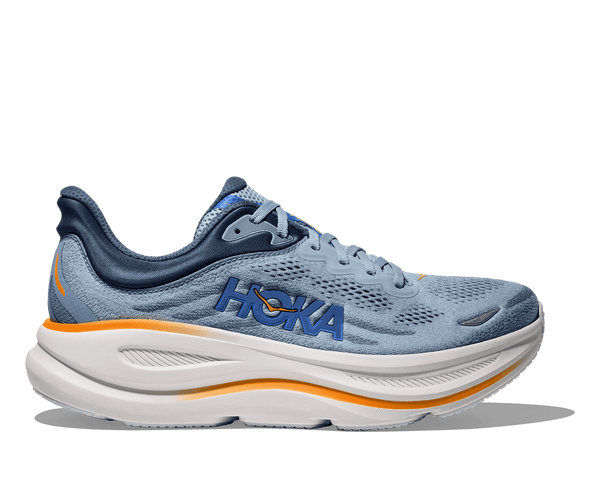
In our range, the 361° Flame 5 is a flagship racing shoe with a full-length curved carbon plate, while trainers like the HOKA Bondi 9 and Brooks Glycerin 23 are built for daily comfort.
How to use a carbon plate shoe in training
Save it for key sessions
Most coaches recommend using plated shoes for races and one or two key workouts per week. Doing all your running in a super shoe can reduce how much work your feet and lower legs do, and the expensive foam will wear out faster.
Introduce it gradually
A plated shoe changes how load is distributed through your feet, calves and Achilles. Start with a short tempo run or a few strides, then build up to longer efforts over a few weeks before racing a half marathon or marathon in them.
Practice at race pace
Use your race shoe for at least one long run that includes segments at goal pace. This lets you check fit, lacing and comfort over distance, so there are no surprises on race day.
Choosing the right carbon racer
Distance
For 5K and 10K races, a lighter shoe with a slightly lower stack can feel more nimble. For half marathons and marathons, more cushioning helps protect your legs late in the race.
Fit
Racing shoes often have thinner, more locked-in uppers. Make sure there is enough room at the toes, because your feet will swell during a long race. Measure your foot length and use our size guide; if you are between sizes, go up.
Stability
If you feel wobbly in very tall, soft shoes, look for a racer with a wider base or a slightly firmer ride.
Budget
Carbon racers are among the most expensive shoes on the wall. Because they are best used for races and key sessions, a single pair can last a full season if you rotate it with a daily trainer.
Are carbon plates bad for your feet?
There is no strong evidence that carbon plates are harmful when used sensibly. However, any big change in footwear shifts load to different tissues. Some runners report foot or Achilles soreness when they switch suddenly. The solution is the same as with any new shoe: introduce it gradually, listen to your body and keep most of your easy mileage in a comfortable trainer.
A super shoe rewards good training. It does not replace it.
Beyond carbon: other fast shoes
Not every fast shoe needs a carbon plate. Lightweight racers and "super trainers" use responsive foams, nylon plates or no plate at all to deliver a lively ride that is more versatile for training. Shoes like the 361° Furious Future 2 and the 361° Miro Nude are built for faster strides and can work well for runners who want speed without a full race-day feel.
Frequently asked questions
Can beginners use carbon plate shoes?
Yes, but beginners usually benefit more from a comfortable daily trainer. If you want to race in a carbon shoe, try it on a few shorter runs first.
How long do carbon plate shoes last?
The plate itself rarely fails, but racing foams can lose their bounce sooner than standard trainer foams. Using them mainly for races and workouts extends their life.
Do carbon plates help on trails?
Some trail shoes include plates for protection or propulsion, but on technical terrain stability and grip matter more. See our guide to trail footwear.
Ready for race day? Explore our running shoes, from daily trainers to carbon racers, with free worldwide shipping and 14-day returns.
Race day checklist for plated shoes
- Test before race day. Run at least one long session with goal-pace segments in your racing shoes.
- Check lacing. Racing uppers are thin; tighten evenly to avoid pressure points.
- Choose race socks you have already trained in.
- Warm up in trainers, then switch to your racers shortly before the start to keep them fresh.
- Prepare for the finish. Pack recovery slides for the walk back from the line.
Common mistakes
- Wearing a brand-new pair in a marathon without testing it.
- Running every easy mile in a super shoe, which wears it out quickly.
- Choosing a size that is too snug. Feet swell over long races.
- Expecting the shoe to replace training. The biggest gains still come from consistent work.
Used wisely, a carbon plate shoe can make race day feel faster and smoother. Pair it with a comfortable daily trainer and a smart plan, and you will get the best of both worlds.