


Neutral vs Stability Running Shoes: Which Do You Really Need?
Pronation, arch type and comfort explained in plain language, so you can decide between a neutral trainer and a stability shoe.
One of the first questions runners face when choosing a new pair is whether they need a neutral shoe or a stability shoe. The terms appear on almost every product page, yet they are rarely explained clearly. This guide breaks down what pronation is, what stability features actually do, and how to decide which type of running shoe is right for you.
What is pronation?
Pronation is the natural inward roll of your foot after it lands. As your heel or midfoot touches the ground, the arch flattens slightly and the foot rolls inward to absorb impact and adapt to the surface. Then it stiffens again to push off. This movement is healthy and necessary: it is part of how your body handles the forces of running.
Runners are often grouped into three categories:
- Neutral pronation: the foot rolls inward a moderate amount. This is the most common pattern.
- Overpronation: the foot rolls inward more than average, sometimes with the arch collapsing noticeably and the knee drifting inward.
- Supination (underpronation): the foot rolls inward less than average, so more load stays on the outside of the foot.
These categories are a useful starting point, but modern thinking in running research puts more weight on comfort and how a shoe feels than on strict labels. Two runners with similar pronation can prefer very different shoes.
What is a neutral running shoe?
A neutral shoe has a midsole that is roughly the same firmness from the inside to the outside. It cushions your landing without trying to change how your foot moves. Neutral shoes are the right choice for the majority of runners, including many who have been told they overpronate slightly.
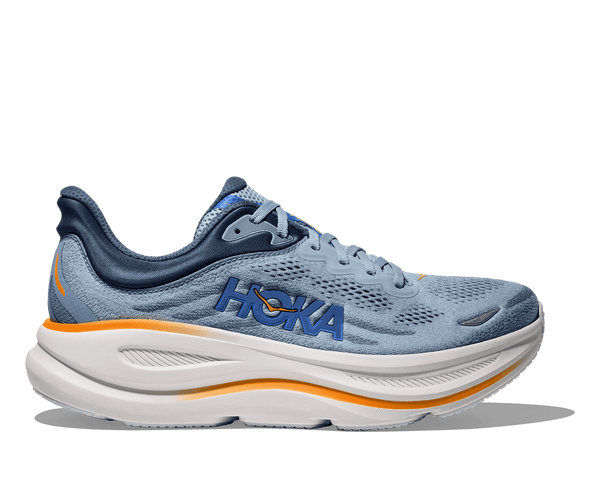
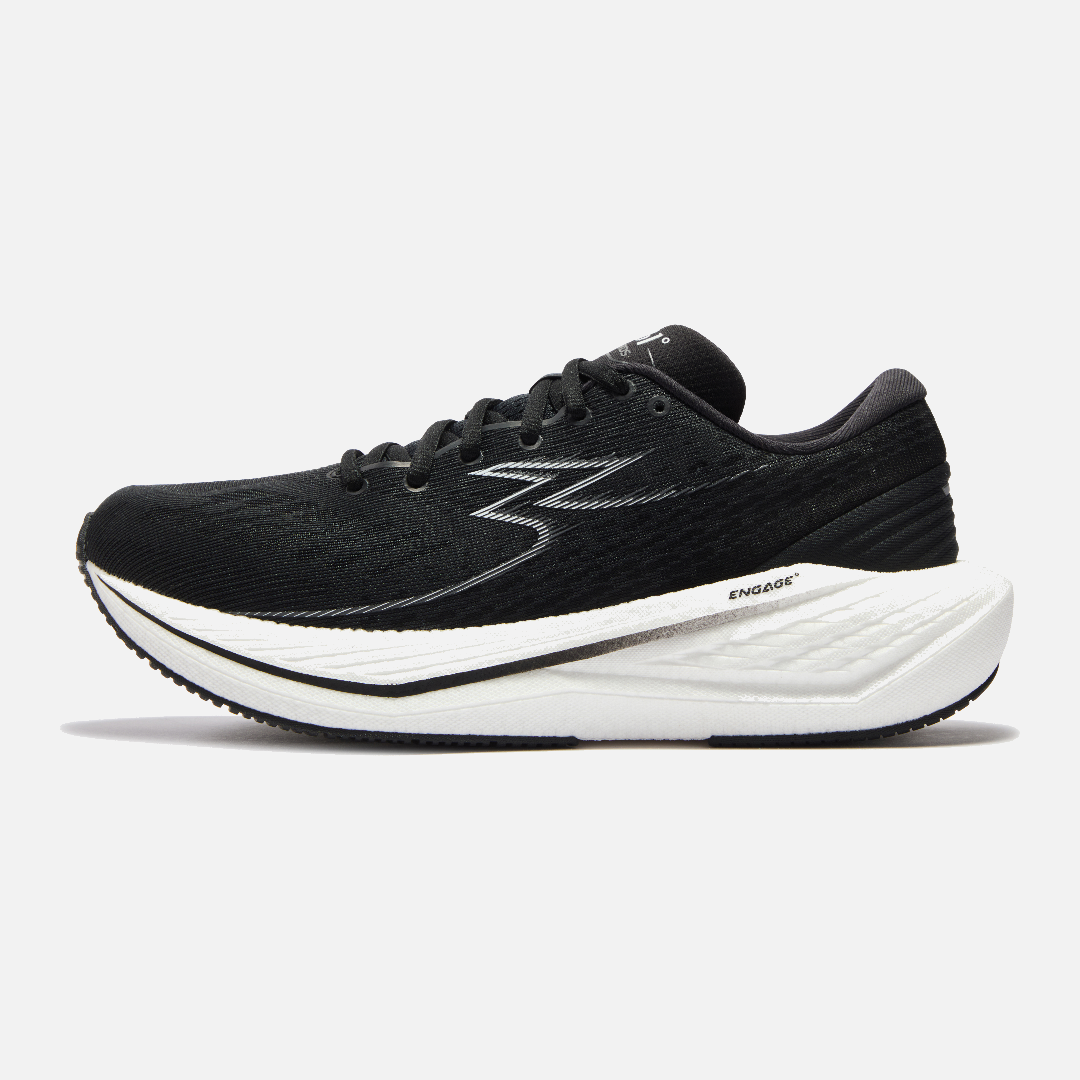
Neutral trainers come in every style, from soft max-cushion shoes to light racers. In our range, the 361° Eleos 2 is a cushioned, lightweight neutral daily trainer, and the 361° Centauri 3 is a neutral shoe built for everyday miles. Max-cushion options such as the HOKA Bondi 9 and Brooks Glycerin 23 also offer a soft, protective ride.
What is a stability running shoe?
A stability shoe includes design elements that gently limit excessive inward roll or help keep the foot centered. Depending on the brand, this might be:
- Firmer foam on the medial side (the inside of the shoe), sometimes called a medial post.
- Guide rails or raised sidewalls that cradle the foot and keep it aligned.
- A wider base that creates a more stable platform.
- Geometry changes in the midsole that guide the foot through the stride.
The goal is not to force your foot into a different position but to provide support when it needs it, especially as you get tired late in a run. The 361° Kairos 4 is designed to work with the foot rather than against it, and the 361° Phoenix 2 pairs controlled cushioning with confident support.
How to tell which one you need
1. Listen to your running history
If you have run comfortably in neutral shoes for months or years without recurring pain, there is no reason to switch. If you repeatedly develop aches on the inside of the knee, the shin or the arch, a stability shoe may be worth trying.
2. Check your old shoes
Look at the outsole and midsole of a well-worn pair. Heavy wear on the inside of the forefoot and a midsole that has compressed or tilted inward can suggest more pronation. Wear concentrated on the outside edge can point toward supination. Treat this as a clue rather than a diagnosis.
3. Try the wet foot test
Wet your foot and step onto a piece of dark paper or cardboard. A very full footprint with little visible arch can indicate a lower arch and more pronation; a narrow band connecting heel and forefoot suggests a higher arch. Again, this is only a rough indicator.
4. Pay attention to how you feel when tired
Many runners feel fine at the start of a run but notice their form breaking down at the end of long runs. If your ankles or knees seem to cave inward when you are fatigued, the extra support of a stability shoe can make those final kilometers more comfortable.
5. Prioritize comfort
Research on running injuries increasingly suggests that choosing a comfortable shoe is one of the most effective strategies. When you try both types, the one that feels smooth, natural and stable is usually the right choice.
Common myths
"Stability shoes are heavy and stiff"
This used to be true. Older stability shoes relied on hard plastic posts and felt clunky. Today's stability trainers use smarter geometry and lighter foams, and many feel almost as smooth as neutral shoes.
"Flat feet always need stability shoes"
Not necessarily. Plenty of runners with low arches run happily in neutral shoes. Arch height is only one factor; how your foot and leg move and how the shoe feels matter more.
"Neutral shoes offer no support"
Neutral shoes still provide cushioning, structure and a secure fit. Many modern neutral trainers have wide, stable bases that feel very supportive even without dedicated stability features.
Can you use both?
Absolutely. Some runners use a stability shoe for long runs, when fatigue sets in, and a neutral shoe for shorter or faster sessions. Others use stability shoes during heavy training blocks and switch back to neutral during lighter weeks. There is no rule that says you must pick one category forever.
Getting the fit right matters more than the label
Whichever type you choose, fit is essential. Leave about a thumb's width of space in front of your longest toe, make sure the midfoot feels secure, and check that your heel does not slip. If you have wide feet, look for wide versions such as the 361° Kairos 4 Wide. Measure your foot length and compare it with our size guide before ordering.
Support should feel like a helping hand, not a correction.
A quick decision guide
| If you... | Try |
|---|---|
| Run comfortably in standard trainers | Neutral |
| Feel your arch collapse or knees cave in when tired | Stability |
| Want the softest possible ride for long runs | Max-cushion neutral |
| Want support on long runs and speed on short ones | One of each |
Frequently asked questions
Can stability shoes cause injuries if I do not need them?
Modern stability shoes are much more subtle than older designs, and most neutral runners will not notice a dramatic difference. Still, if a stability shoe feels like it is pushing your foot outward or feels uncomfortable, it is not the right choice for you.
Do beginners need stability shoes?
Beginners do not automatically need stability shoes. Start with comfort. If a neutral shoe feels good and you do not develop recurring pain, it is a great choice.
Are stability shoes good for walking?
Yes. Many people who stand or walk a lot enjoy the extra support of a stability shoe, especially if they feel their feet tire quickly.
Explore our running shoes to compare neutral and stability models, or read our complete guide on how to choose running shoes. All orders ship free worldwide with 14-day returns and size exchanges.
Stability and neutral shoes for walking and everyday use
The same principles apply off the run. If you spend long days on your feet at work or walk a lot in the city, a stability shoe can feel supportive when your feet tire, while a cushioned neutral trainer offers soft, all-day comfort. Choose the one that feels best after a full day of wear.
Final tips
- Do not choose a shoe based on labels alone. Try both types when you can.
- Pay attention to how your legs feel late in long runs.
- Replace worn shoes on time, because worn midsoles reduce both cushioning and support.