Hiking Boots vs Trail Running Shoes: Which Should You Wear?
Ankle support, weight, waterproofing and terrain: how to decide between a hiking boot and a trail shoe for your next adventure.

Ten years ago, the answer to "what should I wear hiking?" was almost always a pair of leather boots. Today, trails are full of hikers in lightweight trail running shoes, and runners in mid-cut waterproof boots on muddy days. Both options can be excellent. The right choice depends on the terrain, the weather, the weight you carry and how you like to move. Here is how to decide.
What is the difference?
Hiking boots
Hiking boots typically have a mid or high cut that covers the ankle, a stiffer sole, a protective toe and heel, and often a waterproof membrane. They are designed for stability and protection over long days, rough terrain and heavier packs.
Trail running shoes
Trail running shoes are low-cut, light and flexible, with aggressive outsole lugs for grip and some protection from rocks. They are built for moving fast and feeling the trail, and many hikers love them for their comfort and low weight.
The middle ground
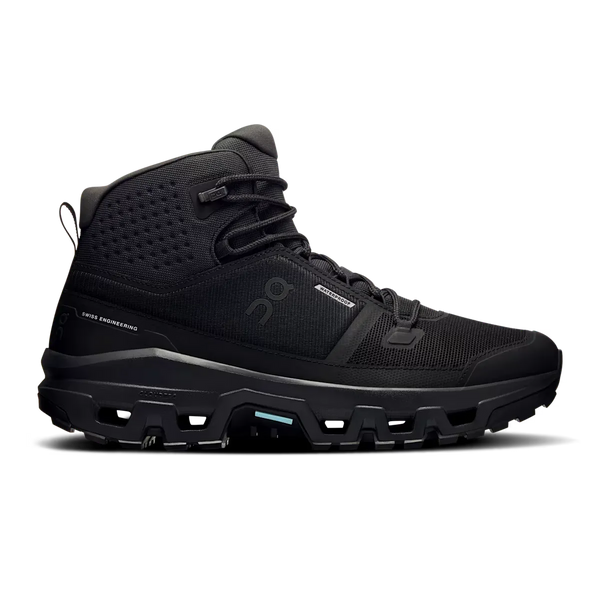
Between the two sit lightweight hiking boots and hiking shoes: low or mid-cut models that combine some of the support of a boot with the agility of a trail shoe. The On Cloudrock Mid Waterproof is a running-inspired mid-cut waterproof boot, and the On Cloudrock Low Waterproof brings similar protection in a low cut.
When to choose hiking boots
- Rocky, technical terrain: a stiffer sole and protective rand help on scree, boulders and uneven ground.
- Heavier packs: multi-day trips with a loaded backpack benefit from more support and structure.
- Wet and cold conditions: waterproof boots with a mid cut keep water, snow and mud out better than low shoes.
- Ankle confidence: many hikers simply feel more secure with a collar around the ankle, especially on descents.
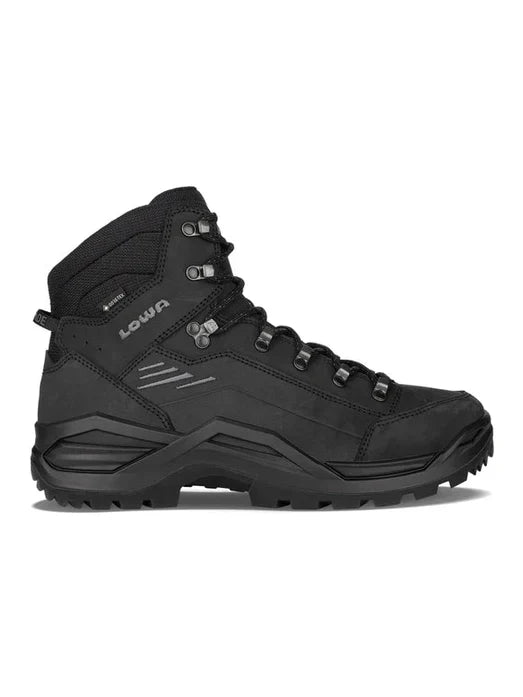
Mid-cut waterproof boots such as the Lowa Renegade EVO GTX Mid and the Altra Lone Peak 9 Waterproof Mid are built for exactly these situations.
When to choose trail running shoes
- Well-maintained trails: on dirt paths and forest tracks, the extra structure of a boot is often unnecessary.
- Fast hiking and trail running: lighter shoes reduce fatigue and let you move quickly.
- Warm weather: breathable trail shoes keep feet cooler and dry quickly after stream crossings.
- Light packs: day hikes with a small pack rarely require a heavy boot.
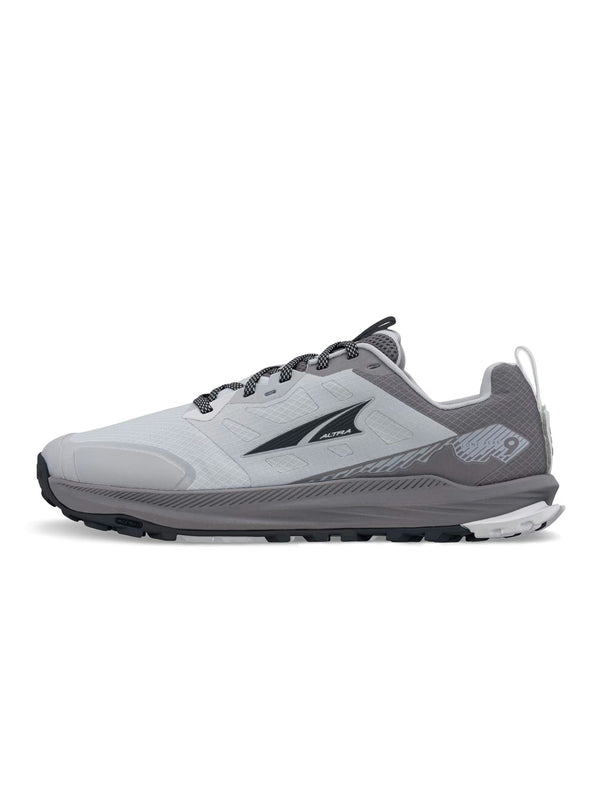
The Altra Lone Peak 9 is a popular trail shoe, reengineered for more durability and grip, with a recycled ripstop mesh upper made for high-mileage use.
Weight: the hidden factor
A common saying among hikers is that weight on your feet counts several times more than weight on your back. Whether or not the exact number holds, lighter footwear does reduce fatigue over a long day. This is why many long-distance hikers now choose trail shoes. If you need protection and support, modern lightweight boots narrow the gap considerably.
Waterproof or breathable?
Waterproof footwear uses a membrane, such as GORE-TEX, to stop water getting in while allowing some moisture vapor to escape. It is excellent in rain, snow, dew and puddles. The trade-off is that waterproof shoes are usually warmer and dry more slowly if water gets in over the top.
Breathable, non-waterproof shoes let water in but also let it out, drying quickly in warm conditions. For summer hiking with frequent stream crossings, many hikers prefer them. For cold, wet or muddy seasons, waterproof is usually the better choice. We cover this in detail in our guide to choosing waterproof hiking boots.
Grip and outsoles
Both boots and trail shoes rely on lugs, the raised rubber patterns on the outsole. Deeper, more widely spaced lugs grip better in mud and loose dirt, while shallower, denser lugs suit hard-packed trails and rock. Look at the outsole before you buy and match it to your typical terrain.
Fit tips for the trail
- Leave room at the toes so your toes do not hit the front on long descents.
- Secure the heel to prevent blisters and keep control on steep ground.
- Try them with hiking socks, which are usually thicker than everyday socks.
- Check width. Some trail brands use a wide toe box that lets toes spread naturally.
Measure your foot length and compare it with our size guide before ordering.
Choose for the trail you will hike, not the mountain you dream about.
Quick decision table
| Situation | Best choice |
|---|---|
| Summer day hike on good trails | Trail running shoe |
| Rocky mountain trail, light pack | Hiking shoe or mid boot |
| Multi-day trek with heavy pack | Mid or high hiking boot |
| Rain, mud or snow | Waterproof mid boot |
| Trail running | Trail running shoe |
Frequently asked questions
Do hiking boots prevent ankle sprains?
A mid or high cut can add a feeling of security, but a stable sole, good fit and strong ankles matter just as much. Take care on uneven ground whatever you wear.
Can I hike in running shoes?
Road running shoes can work on easy, dry paths, but they lack the grip and protection of trail shoes. For anything rougher, choose trail-specific footwear.
Do hiking boots need breaking in?
Modern synthetic boots usually feel comfortable quickly, while heavy leather boots may need some break-in. Wear new footwear on shorter walks before a big hike.
Explore our hiking and outdoor collection with boots and trail shoes from On, Altra, Lowa and L.L.Bean. Free worldwide shipping and 14-day returns.
Matching footwear to the season
Spring
Spring trails are often wet and muddy as snow melts and rain returns. Waterproof mid boots or waterproof hiking shoes keep feet dry, and deep lugs help in sticky mud.
Summer
Heat favors lighter, more breathable footwear. Trail running shoes and non-waterproof hiking shoes keep feet cooler and dry quickly after stream crossings.
Autumn
Wet leaves, cold mornings and early darkness make grip and warmth important. Waterproof footwear and warmer socks are good choices.
Winter
For snow and cold, choose waterproof boots with a mid or high cut, combine them with warm merino socks and consider gaiters to keep snow out.
Pack weight and footwear
The heavier your backpack, the more support your feet and ankles appreciate. A light day pack works well with trail shoes, while a loaded multi-day pack shifts more weight onto your feet and makes a supportive boot more comfortable over many hours.
How to transition to trail shoes
If you have always hiked in boots and want to try trail shoes, start on familiar, easier trails. Your feet and ankles will need a little time to adapt to the lower cut and more flexible sole. Strengthening exercises such as calf raises and single-leg balance work help.
Common mistakes
- Buying boots too small. Toes hitting the front on descents cause bruised nails.
- Wearing new footwear on a big trip. Test new boots or shoes on shorter hikes first.
- Choosing waterproof for hot, dry trips. Breathability may matter more than waterproofing.
- Ignoring the outsole. Lug depth and rubber compound affect grip as much as the upper.
- Using cotton socks, which hold moisture and increase blister risk.
A trailhead checklist
- Footwear suited to terrain and weather.
- Moisture-wicking hiking socks, plus a spare pair for long hikes.
- Laces checked and tied with a secure knot.
- Blister plasters in your first-aid kit.
- A plan to dry your footwear properly after the hike.
With the right footwear and a little preparation, every trail becomes more enjoyable, whether you are moving fast in trail shoes or covering big miles in supportive boots.