How to Choose Waterproof Hiking Boots: GORE-TEX, Fit and Grip
Membranes, cut height, outsoles and fit: a practical guide to keeping your feet dry, comfortable and stable on wet trails.
Few things ruin a hike faster than wet feet. Cold, soggy socks lead to blisters, discomfort and, in cold weather, a real risk to your safety. Waterproof hiking boots solve that problem, but not all waterproof boots are the same. This guide explains how waterproofing works and what to look for in a pair that will keep you dry and comfortable on the trail.
How waterproof boots work
Most waterproof hiking boots use a membrane, a thin layer built into the boot between the outer material and the lining. The membrane has pores small enough to block liquid water but large enough to let water vapor, such as sweat, escape. GORE-TEX is the best-known membrane, and many brands also use their own technologies.
The outer material, leather or synthetic, is usually treated with a durable water repellent (DWR) finish that makes water bead up and roll off. Over time this finish wears away and can be refreshed with a spray-on treatment.
Waterproof vs water-resistant
- Waterproof boots have a membrane and sealed construction that keep water out during sustained exposure, such as walking through wet grass, puddles or light snow.
- Water-resistant footwear can shed light rain and splashes but will eventually let water in.
If you hike in rainy climates, in shoulder seasons or in snow, a fully waterproof boot is worth it.
Choosing the right cut
Mid-cut
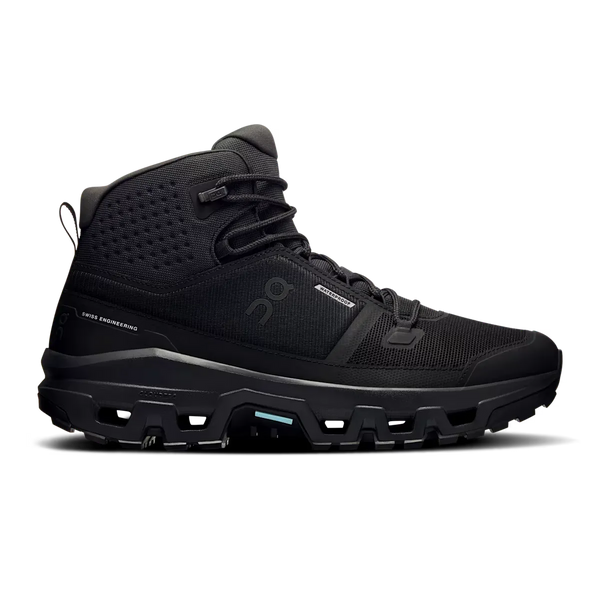
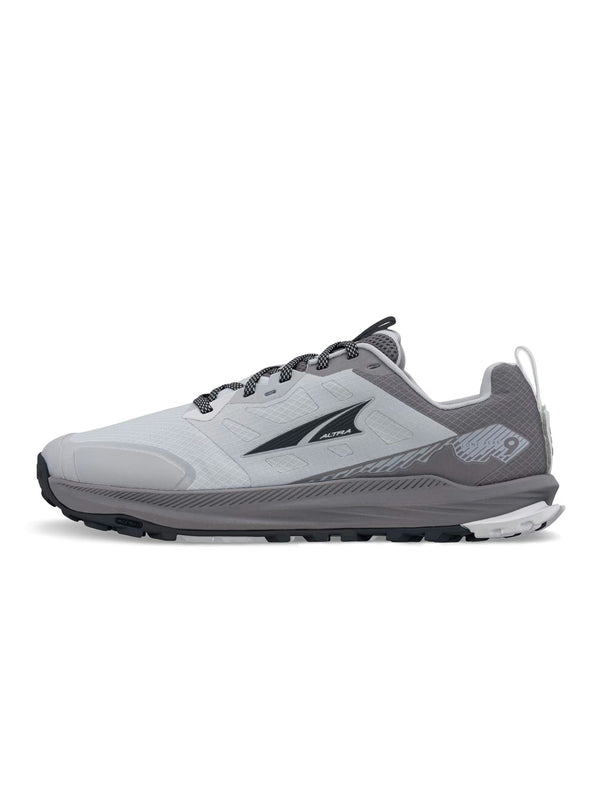
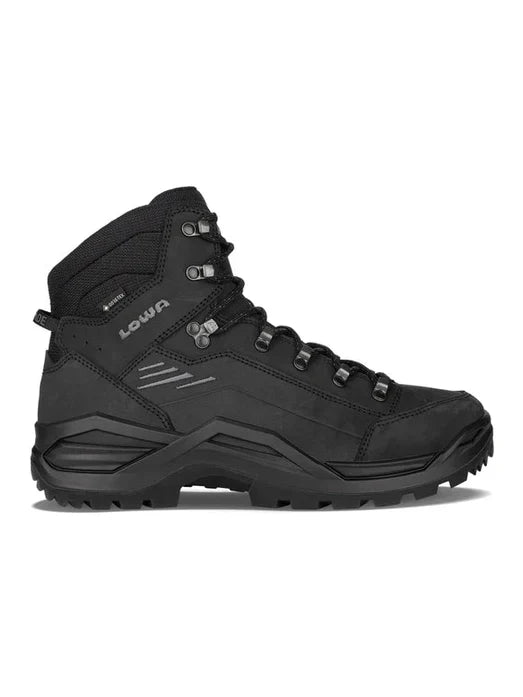
Mid-cut waterproof boots are the most versatile choice for many hikers. The higher collar keeps water, mud and debris out when you step into deeper puddles or walk through wet vegetation, and it adds a sense of ankle security on uneven ground. The On Cloudrock Mid Waterproof, Lowa Renegade EVO GTX Mid and Altra Lone Peak 9 Waterproof Mid are all mid-cut waterproof options.
Low-cut
Low-cut waterproof hiking shoes are lighter and feel more agile. They are ideal for wet day hikes on well-maintained trails, but water can enter over the top if you step into deeper water. The On Cloudrock Low Waterproof is a good example.
Everyday wet-weather boots
For rainy commutes, dog walks and town use, a classic boot such as the L.L.Bean Bean Boots 6.5" Chelsea offers an easy-on design and a timeless look.
Upper materials
- Full-grain leather is durable and naturally water-resistant, and it molds to your foot over time. It tends to be heavier and warmer.
- Nubuck and suede are softer leathers that look great and offer good durability with a bit more flexibility.
- Synthetic textiles are lighter, dry faster and need less break-in, but may be less abrasion-resistant.
Outsoles and grip
Wet trails are slippery, so outsole design matters. Look for:
- Deep, multidirectional lugs that bite into mud and loose ground.
- Self-cleaning spacing between lugs so mud does not clog the tread.
- Sticky rubber that grips wet rock.
- A heel brake, a distinct edge at the back of the sole, for control on descents.
Fit: the most important factor
A waterproof boot that does not fit will cause more problems than wet feet. When trying boots:
- Wear the hiking socks you plan to use.
- Make sure your toes do not touch the front when you walk downhill or kick a wall lightly.
- Check that your heel stays in place and does not lift significantly.
- Feel for pressure points on the sides of the foot and around the ankle bones.
Our size guide explains how to measure your foot length at home. If you are between sizes, the larger size usually works better for hiking because feet swell over long days.
The trade-offs of waterproofing
Waterproof boots are fantastic in wet and cold conditions, but they are not perfect for every situation:
- Warmth: membranes reduce breathability, so feet can get warm and sweaty in hot weather.
- Drying time: if water gets in over the top, waterproof boots take longer to dry.
- Weight: waterproof construction can add a little weight.
For hot summer hikes with frequent stream crossings, some hikers prefer breathable, quick-drying trail shoes instead. Our guide to hiking boots vs trail running shoes helps you decide.
Dry feet are happy feet. Happy feet go further.
How to care for waterproof boots
- Clean after muddy hikes. Dirt left on the upper can block the membrane's breathability and damage leather.
- Dry naturally. Remove insoles, open the laces and let boots dry at room temperature. Never place them next to a heater or fire.
- Reproof regularly. When water stops beading on the surface, apply a waterproofing treatment suitable for the upper material.
- Condition leather occasionally to keep it supple.
Socks and accessories
Pair waterproof boots with moisture-wicking hiking socks made of merino wool or synthetic blends. Avoid cotton, which holds moisture. Gaiters can add extra protection in deep snow, mud or wet vegetation.
Frequently asked questions
Are GORE-TEX boots fully waterproof?
GORE-TEX boots are designed to be waterproof, but water can still enter over the top of the collar if you step into deep water.
Do waterproof boots make your feet sweat?
They are less breathable than non-waterproof shoes, so feet can feel warmer, especially in hot weather. Moisture-wicking socks help.
How long do waterproof boots last?
With good care, quality waterproof boots can last several seasons. The membrane can lose performance over time, especially in high-flex areas.
Shop waterproof boots and trail shoes in our hiking and outdoor collection. Every order ships free worldwide with 14-day returns.
Waterproof boots for different hikers
Day hikers
For day hikes on mixed terrain, a lightweight mid-cut waterproof boot offers a great balance of protection and comfort. It keeps feet dry on dewy mornings and in light rain without feeling heavy.
Backpackers
Multi-day trips with a loaded pack call for more support and durability. Look for a stable sole, a protective toe cap and a secure lacing system that keeps the heel locked in.
Winter walkers
For snow and cold, pair waterproof boots with warm merino socks and consider gaiters. Make sure there is enough room in the boot for thicker socks without restricting circulation.
Urban and everyday wear
Waterproof boots are not only for mountains. For rainy cities, a classic boot with an easy-on design keeps feet dry on daily commutes.
Lacing techniques for hiking
- Heel lock: use the top hooks to create a loop that holds the heel firmly, reducing slipping on climbs.
- Surgeon's knot: tie a double twist at the ankle crease to keep different tension in the lower and upper parts of the boot.
- Relieve pressure points: skip an eyelet or hook over areas where the laces press on the top of the foot.
Breaking in new boots
Modern synthetic and lightweight boots often feel comfortable straight away, while heavier leather boots may need some time. Wear new boots around the house, then on short walks, before taking them on long hikes. Pay attention to hot spots and adjust lacing or socks as needed.
Common mistakes
- Choosing waterproof boots for hot, dry desert trips, where breathability matters more.
- Drying boots by a fire or heater, which can crack leather and damage glues.
- Never reproofing, which lets the outer material soak up water and reduces breathability.
- Wearing cotton socks that stay wet and cause blisters.
Waterproof boot checklist
- Waterproof membrane suited to your conditions.
- Cut height that matches your terrain and preference.
- Outsole with deep lugs and good wet grip.
- Correct size with room at the toes and a secure heel.
- Care products to clean and reproof after use.
Get these right, and wet weather becomes part of the adventure rather than a reason to stay home.