


Max Cushion Running Shoes: Who They Are For and How to Choose
HOKA Bondi 9, Brooks Glycerin 23 and Nike Vomero Premium: what max cushioning really does, who benefits and how to pick the right high-stack trainer.

Max-cushion running shoes have gone from niche to mainstream. Once seen as unusual, their thick midsoles are now a common sight on roads, treadmills and city streets. Runners love them for comfort, protection and the sense of floating over hard surfaces. But are they right for you? This guide explains what max cushioning does, who benefits most and how to choose the right pair.
What is a max-cushion running shoe?
A max-cushion shoe has a high stack height, meaning there is a lot of foam between your foot and the ground. That foam absorbs impact, softens each landing and protects your legs from the repetitive stress of running on hard surfaces. Modern max-cushion trainers combine this soft foam with wide bases and smooth rocker shapes, so they feel stable and roll forward naturally.
Who benefits from max cushioning?
- High-mileage runners who want protection during long training blocks.
- Long-run and recovery-day runners looking for comfort at easy paces.
- Heavier runners who appreciate more impact absorption.
- New and returning runners who want a comfortable, forgiving ride.
- People who stand or walk a lot at work, since the comfort carries over to everyday use.
Three max-cushion favorites
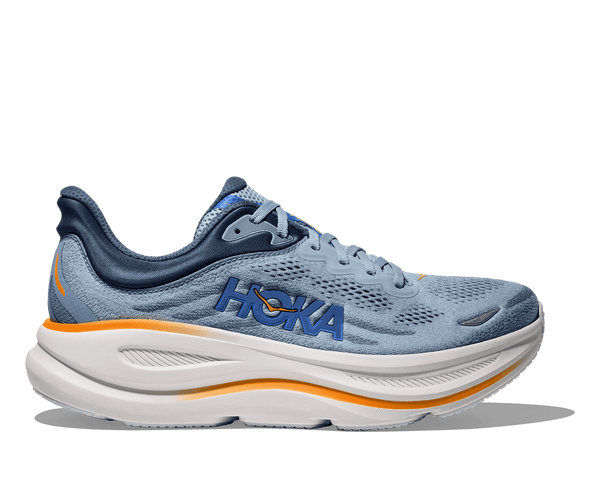
HOKA Bondi 9
The HOKA Bondi 9 is engineered for maximum comfort and durability and is known as a pinnacle of plushness for daily miles. It is a go-to choice for runners and walkers who want a soft, protective ride on every outing.
Brooks Glycerin 23
The Brooks Glycerin 23 is built for runners who want soft landings without losing energy on the run. Designed for road running, it balances plush cushioning with a smooth, responsive feel.
Nike Vomero Premium
The Nike Vomero Premium takes maximum cushioning to the extreme with dual Air Zoom units for an ultrasoft ride. It is designed for runners who want the softest possible experience on easy and long runs.
Comparing the options
| Shoe | Personality | Great for |
|---|---|---|
| HOKA Bondi 9 | Plush, protective, durable | Daily miles, recovery runs, walking |
| Brooks Glycerin 23 | Soft landings with energy | Daily training, long runs |
| Nike Vomero Premium | Ultrasoft with Air Zoom units | Easy runs, long runs |
The trade-offs
Weight
More foam can mean more weight, although modern foams have reduced this significantly. For easy runs, a little extra weight rarely matters.
Ground feel
High stacks reduce your sense of the ground. Runners who like to feel the road may prefer a lower, firmer shoe for faster sessions.
Speed
Max-cushion trainers are built for comfort rather than pure speed. For intervals and races, many runners switch to a lighter trainer or a carbon plate racer such as the 361° Flame 5.
Do max-cushion shoes prevent injuries?
Extra cushioning can make running feel more comfortable and reduce the harshness of impact, but no shoe can guarantee injury prevention. Training load, recovery, strength work and a good fit matter just as much. The most important factor is choosing a shoe that feels comfortable for you.
Soft miles today mean fresh legs tomorrow.
How to choose your max-cushion shoe
- Decide on support. Most max-cushion shoes are neutral. If you want more guidance, look for stability options. Our guide to neutral vs stability shoes explains the difference.
- Consider the feel. Some max-cushion shoes feel soft and sink-in; others feel soft but bouncy. Think about which you prefer.
- Check fit and width. High-stack shoes should still hold your foot securely, with a thumb's width of room at the toes.
- Think about use. Will this be your only shoe, or one part of a rotation?
Building a rotation around max cushion
A max-cushion trainer makes an excellent foundation for a running rotation. Use it for easy runs, long runs and recovery days, and pair it with a lighter shoe for faster sessions. Neutral trainers such as the 361° Eleos 2 and Centauri 3 sit nicely between the two, offering cushioning with a slightly livelier feel.
Sizing tips
Measure your foot length in the afternoon and compare it with the size chart on the product page and our size guide. Many runners choose a half size larger in running shoes to allow for swelling on long runs.
Caring for max-cushion shoes
Soft foams last longest when you rotate shoes, avoid heat and keep them for running. Track your mileage and replace them when they start to feel flat. Our guide on when to replace running shoes explains the signs.
Frequently asked questions
Are max-cushion shoes good for beginners?
Yes. Many beginners appreciate the comfort and forgiveness of a cushioned shoe while their bodies adapt to running.
Can I walk in max-cushion running shoes?
Absolutely. Their comfort makes them popular for walking and for people who spend long days on their feet.
Are max-cushion shoes unstable?
Modern designs use wide bases and rocker shapes to stay stable. If a shoe feels wobbly, try a model with a wider platform or added stability features.
Explore max-cushion and daily trainers in our running shoes collection, with free worldwide shipping and 14-day returns.
Max cushion for different runners
Marathon and half marathon training
Training for a long race means many weeks of high mileage. A max-cushion trainer takes some of the sting out of long runs and back-to-back training days, helping your legs feel fresher for key workouts. Many marathoners do most of their easy and long runs in a cushioned shoe and save a lighter shoe for speed sessions and race day.
Returning after a break
If you are coming back to running after time off, a soft, forgiving shoe can make the first weeks more comfortable while your body readapts. Build up gradually and focus on easy effort.
Treadmill runners
Treadmills are kinder than concrete, but cushioning still helps on long indoor sessions. Max-cushion trainers feel smooth and consistent at steady paces.
Walkers and people on their feet all day
Nurses, retail staff, travelers and anyone who stands or walks for long periods often love max-cushion running shoes for everyday comfort. The same features that protect runners also reduce fatigue during long days.
Stack height, foam and rocker explained
- Stack height is the total thickness of material under the foot. Higher stacks usually mean more cushioning.
- Foam type determines how the cushioning feels: some foams are soft and absorbent, others soft but bouncy.
- Rocker geometry is the curved shape of the sole that helps the foot roll forward smoothly, which is especially useful in thick, less flexible shoes.
- Base width affects stability. Wider platforms make tall shoes feel more planted.
How to transition into max-cushion shoes
If you are used to firmer or lower shoes, max cushioning can feel unusual at first. Start with shorter easy runs and walks, then gradually extend them. Pay attention to how your feet, calves and knees feel. Most runners adapt quickly, and many never go back.
Common mistakes
- Buying too small. Thick midsoles do not change the need for toe room. Leave a thumb's width in front of your longest toe.
- Using them for everything. Max-cushion shoes are fantastic for easy miles but are not ideal for track sessions, gym work or lateral sports.
- Running in them past their prime. Even thick foams lose their bounce eventually. Replace them when they feel flat.
- Choosing by looks alone. Comfort and fit should lead the decision.
Max cushion checklist
- Do you mainly run easy, long or recovery miles?
- Do you prefer a soft, protective ride over ground feel?
- Do you want a neutral or stability shoe?
- Have you measured your foot length and checked the size chart?
- Will this shoe be part of a rotation?
If you answered yes to the first two questions, a max-cushion trainer is likely to become one of your favorite shoes.